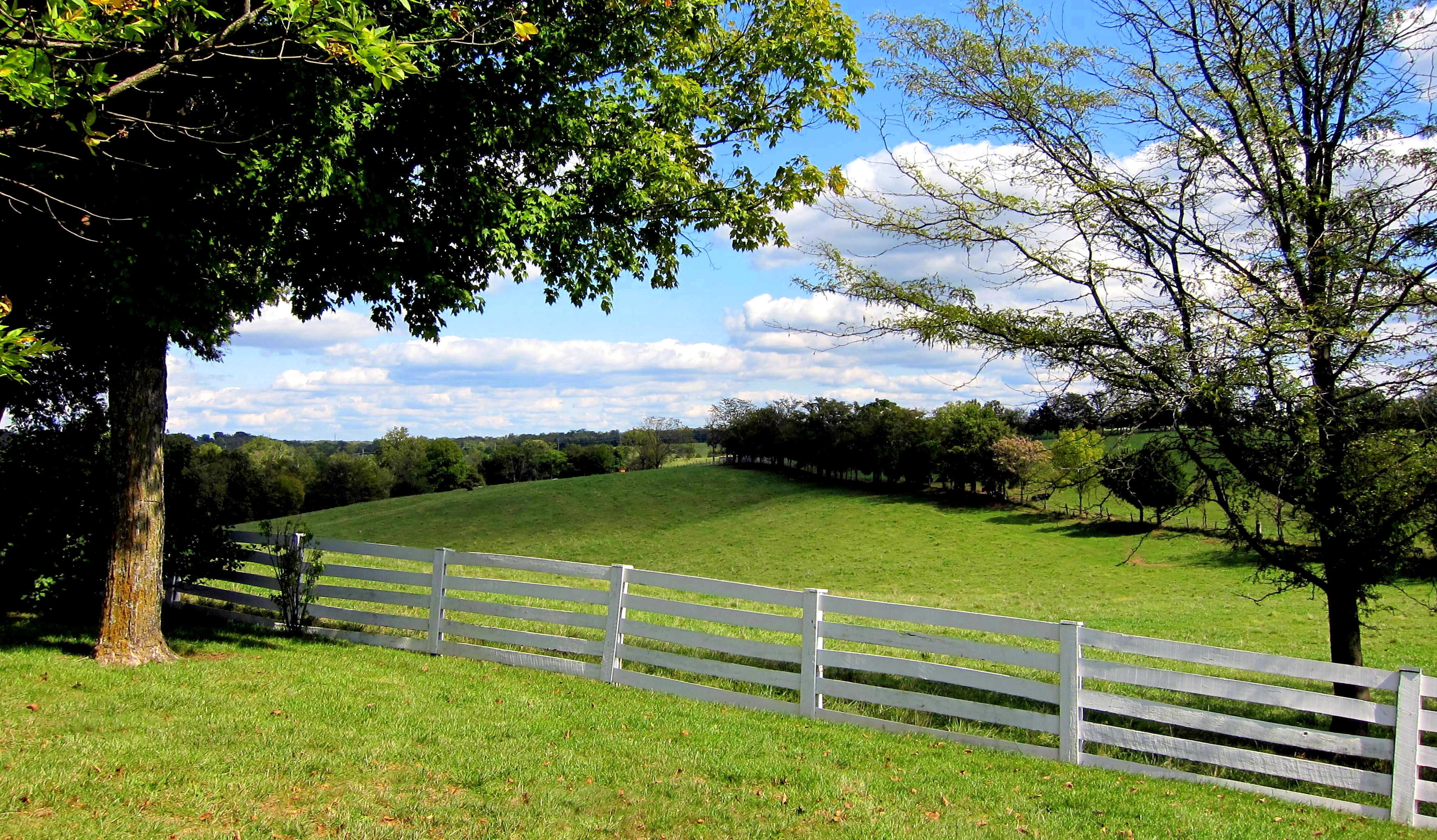
Cedar fences face different constraints than horizontal decks. Their vertical orientation helps water run off, but cap boards and posts remain critical points for moisture penetration.
Differences from horizontal surfaces
On a deck, water pools between boards and seeps in from above. On a vertical fence, rain hits the face and runs downward. The most vulnerable areas are:
- Top edges of horizontal boards (horizontal-board fences)
- Notches and mortises around posts
- Contact zones between boards and rails
- Bottom of posts buried in or touching soil
Climate by region
Cedar behaviour varies by province. These differences influence product choice and treatment frequency:
British Columbia (Pacific coast)
High relative humidity year-round on the B.C. coast encourages fungi and moss on untreated wood. Products with fungicides are especially suited to this region. Vancouver and surrounding areas receive steady precipitation from October to April.
Quebec and Ontario
Freeze-thaw cycles from November to March put mechanical stress on wood. Water that enters cracks freezes and expands the wood, speeding splitting. A waterproofing product applied in late summer or September prepares wood for winter.
Prairies (Alberta, Saskatchewan, Manitoba)
Hot dry summers combined with cold dry winters reduce mould risk but accelerate UV greying and cracking from humidity swings. Products with UV filters are especially relevant in these provinces.
Types of waterproofing products
Semi-transparent stains
These products contain pigments that filter UV while still showing wood texture. They form a thin surface layer and partially penetrate the wood. On fences, they typically last two to three years under normal conditions.
Saturators and dense oils
These products deeply fill wood pores. They do not change cedar’s natural tone but significantly improve water resistance. Suited to bare new cedar, they need a porous surface to bond properly.
Film-forming coatings
Paint and varnish form a membrane on the wood surface. On exterior cedar, these products have a major drawback: they peel and crack as wood moves with temperature and humidity changes. Stripping and reapplication are heavier work than with penetrating oils.
Fence preparation
Preliminary inspection
Before applying any product, inspect the entire fence:
- Check posts at the base (rot zones at ground level)
- Identify cracked or warped boards
- Inspect fasteners (rusted screws and nails can stain wood)
- Replace boards where deterioration exceeds one-third of thickness
Cleaning
Low-pressure washing (800 psi maximum) or brushing with a wood-specific cleaner removes lichen, moss, and old treatment residue. Let the wood dry completely before any application.

Application on vertical fences
For vertical-board fences, start with top edges and the tops of horizontal boards. These areas absorb the most water and need extra attention.
Work from top to bottom to avoid runs on already treated areas. A flat 8 to 12 cm brush suits standard-width boards. For round posts, a foam roller or round brush helps achieve even coverage.
Treating posts
The base of posts—whether set in soil, in a sleeve, or on a metal base—is most exposed to rising moisture. A concentrated saturator can be applied in extra coats on the lower 30 to 50 cm of each post.
Frequency and renewal
Ideal frequency depends on the product used and fence exposure. As a guide:
- Penetrating oils: every two to three years for full exposure
- Semi-transparent stains: every two to four years
- Highly exposed areas (full south face or under dense foliage that holds moisture): annual check recommended
Last updated: May 1, 2026